The impact of credit card interest rates on the Australian economy
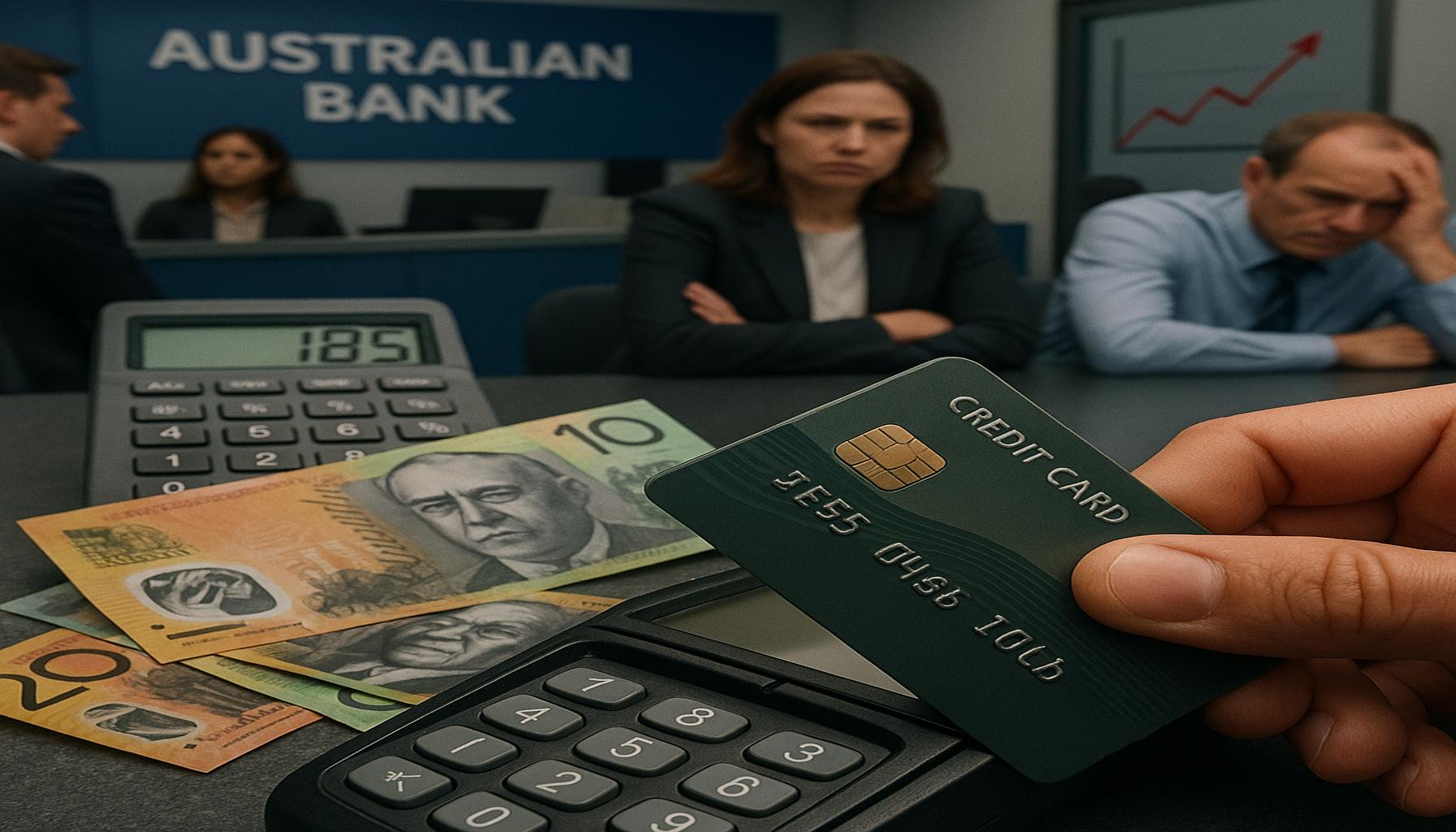
The Impact of Credit Card Interest Rates on Consumer Behavior
In Australia, credit card interest rates deeply influence the financial landscape. When rates are high, consumers often shift their focus from spending to managing their existing debt. This shift can lead to a noticeable decrease in consumer spending, as individuals may prioritize making repayments rather than making new purchases. For instance, if a credit card that previously charged a 15% annual percentage rate (APR) increases to 20%, a consumer might decide to cut back on discretionary expenses like dining out or shopping.
Debt Levels and Financial Health
Increased interest rates don’t just slow down consumer spending; they can also escalate credit card debt levels significantly. As borrowing becomes more expensive, the cost of servicing existing debts grows. This can trap consumers in a cycle of debt, where they are forced to make minimum payments, which primarily go towards interest rather than reducing the principal balance. For example, if an individual carries a balance of $5,000 on a credit card with a high-interest rate, they may find that a large portion of their monthly payment barely dents the original debt, leading to financial stress and anxiety.
The Broader Economic Implications
The consequences of high credit card interest rates extend beyond individual consumers and can impede economic growth. When consumer spending dwindles, businesses across various sectors—from retail to hospitality—can feel the pinch. Lower sales may force companies to reconsider hiring plans or even reduce their workforce, further exacerbating economic stagnation. For instance, in periods where interest rates rise significantly, you might notice a slowdown in new restaurant openings as potential entrepreneurs hesitate to invest due to uncertain consumer behavior.
In 2023, the Reserve Bank of Australia has been vigilant in monitoring these rates, understanding their profound implications for economic stability. If consumer confidence drops because of rising interest rates, it can create a ripple effect throughout the economy, affecting everything from housing to investment. Policymakers must carefully balance these rates to foster a healthy economy while ensuring that individuals are not overburdened by debt.
Empowering Consumers Through Knowledge
Thus, grasping how credit card interest rates affect personal finance and the broader economy is key for Australians. Awareness enables individuals to make informed choices, such as seeking lower-interest credit options or considering alternatives to credit cards. By doing so, they can better manage their financial health, ultimately contributing to a stable and thriving economy.
In conclusion, credit card interest rates serve as pivotal indicators of both consumer behavior and economic health. By understanding their implications, consumers can take proactive steps toward financial empowerment and contribute positively to the overall economic landscape.
SEE ALSO: Click here to read another article
Navigating the Challenges of High Interest Rates
The fluctuating landscape of credit card interest rates presents numerous challenges for consumers and the economy alike. When interest rates rise, many Australians find themselves caught in a difficult situation. Instead of utilizing credit for planned purchases and investments, they often feel compelled to focus on debt management. But what does that really mean for the average consumer and the country’s financial health?
Understanding the Cost of Borrowing
As interest rates increase, the cost of borrowing also escalates. This scenario can lead to a serious re-evaluation of personal budgets. Let’s break down some key factors that illustrate how shifting interest rates directly affect consumer choices:
- Monthly Payment Increases: When rates rise, the minimum payment on a credit card may increase even if the spending level stays the same. For example, a consumer with a balance of $3,000 at a 15% APR might see their monthly payment rise substantially if the rate increases to 20%, leading to higher financial strain.
- Higher Costs for Everyday Essentials: As consumers cut back on discretionary spending due to higher repayments, businesses that rely on this spending may face reduced revenues. Small enterprises, in particular, may struggle to survive, which can lead to store closures and job losses.
- Shift in Financial Priorities: With growing debt obligations, consumers may opt to defer significant purchases like cars or home renovations, which further dampens economic activity. For instance, if home improvements are put on hold, related industries such as construction and retail may suffer as well.
The implications extend beyond the individual level; they reverberate throughout communities and can inhibit broader economic progress. When consumers prioritize debt repayments over spending, it results in decreased demand for goods and services. This drop in consumer activity can lead businesses to rethink their practices, from reducing stock to halting expansions. As businesses tighten their belts, the entire economy can experience a slowdown, creating a cycle that is hard to break.
The Role of Credit in Economic Health
Credit cards are designed to provide consumers with flexibility and ease of access to funds. However, high-interest rates can transform this flexibility into a source of anxiety and financial hardship. This dynamic can strangle consumer confidence, which is a crucial ingredient for a thriving economy. When people feel financially secure, they tend to spend more, contributing to growth and job creation. On the contrary, when credit card debt is burdensome, Australians may hold on to their funds, leading to a stunted economy.
As we explore further, understanding these interconnected dynamics is vital. The challenge remains for policymakers and financial institutions to create environments that promote responsible borrowing and spending while mitigating the risks associated with high-interest credit cards.
CHECK OUT: Click here to explore more
The Ripple Effects on Household Finances
Understanding the pressures high credit card interest rates place on household finances is pivotal in grasping their impact on the overall economy. Australians commonly rely on credit cards for various financial needs, from daily purchases to unexpected expenses. However, as interest rates climb, the dynamics of credit usage change dramatically.
Burden of Debt Accumulation
One of the most significant issues surrounding high-interest credit cards is the accumulation of debt. Many Australians may find themselves in a precarious situation where the cost of servicing existing debts begins to overshadow their ability to save or invest. Consider these points:
- Compounding Interest Effects: With higher interest rates, unpaid balances grow faster due to compounding. For example, if an Australian has a $5,000 balance at an 18% interest rate, accumulating interest can exacerbate the debt burden, leading to payments that consume a considerable portion of their monthly budget.
- Limited Financial Freedom: Those burdened with high credit card debt may feel constant financial pressure. This pressure can reduce their ability to participate in necessary financial planning, such as saving for retirement or children’s education, ultimately limiting long-term financial security.
- Increased Risk of Default: As minimum payments rise, some consumers may struggle to make even the necessary payments, resulting in defaults. This not only affects their credit scores but can also increase the costs for lenders, impacting their bottom line and potentially leading to tighter lending conditions in the long run.
The cascading effects of household finances can become a substantial drain on the economy if left unaddressed. As individuals struggle with credit card debt, their spending diminishes, which in turn affects businesses’ performance. Many consumers forgo routine shopping or specific lifestyle expenditures, creating a feedback loop of decreased economic activity.
Inflationary Pressures and Consumer Behaviour
The connection between high-interest rates and inflation cannot be overlooked. When credit becomes more expensive, it can have a cooling effect on inflation, but it also creates tension for consumers who already face rising living costs.
- Consumer Confidence Erodes: High credit card interest rates can erode consumer confidence, causing individuals to be more cautious with their finances. As people tighten their belts, businesses may face declining sales, leading to slower economic growth.
- Spending Patterns Change: With financial anxiety on the rise, consumers begin to modify their spending habits. They may shift from using credit cards to relying on cash or debit for purchases, which can restrict their ability to take advantage of rewards or cashback offers commonly available with credit cards.
- Pursuit of Low-Interest Alternatives: In response to high credit card rates, consumers may increasingly seek low-interest lending alternatives, such as personal loans or buy-now-pay-later services. While these might offer better initial terms, they can also lead to new forms of debt if not managed wisely.
As interest rates influence consumer behaviour in such dramatic ways, it is crucial for both policymakers and financial institutions to respond appropriately. Educating Australians on effective debt management and providing flexible borrowing options can be vital strategies to alleviate the financial strain stemming from high credit card interest rates.
CHECK OUT: Click here to explore more
Conclusion
In summary, the impact of high credit card interest rates on the Australian economy is a multifaceted issue that extends far beyond individual financial burdens. As households grapple with escalating debt and diminished financial freedom, the ripple effects can constrain overall economic growth. When consumers are forced to allocate a greater portion of their budgets to servicing debt, their ability to engage in discretionary spending is severely hindered. This shift not only affects day-to-day businesses but also curtails broader economic vitality.
Moreover, the relationship between credit card interest rates and consumer behaviour is critical. As financial anxiety rises, consumers may become increasingly hesitant to spend, leading to a decline in consumer confidence which directly impacts business revenues. Furthermore, in seeking alternatives like low-interest loans or buy-now-pay-later services, individuals might inadvertently create new debt cycles without proper management.
To address these challenges, it is vital for policymakers, financial institutions, and consumers alike to foster a proactive approach. Financial education initiatives can equip Australians with the necessary skills to navigate credit responsibly, while innovative lending solutions can offer more sustainable options amidst fluctuating interest rates. Ultimately, by understanding and mitigating the impact of credit card interest rates, we can pave the way for a healthier, more resilient economy that supports both consumers and businesses alike.

Linda Carter
Linda Carter is a writer and financial expert specializing in personal finance and financial planning. With extensive experience helping individuals achieve financial stability and make informed decisions, Linda shares her knowledge on the our platform. Her goal is to empower readers with practical advice and strategies for financial success.