Budgeting Strategies for Australian Families in Times of Crisis
Understanding the Importance of Budgeting
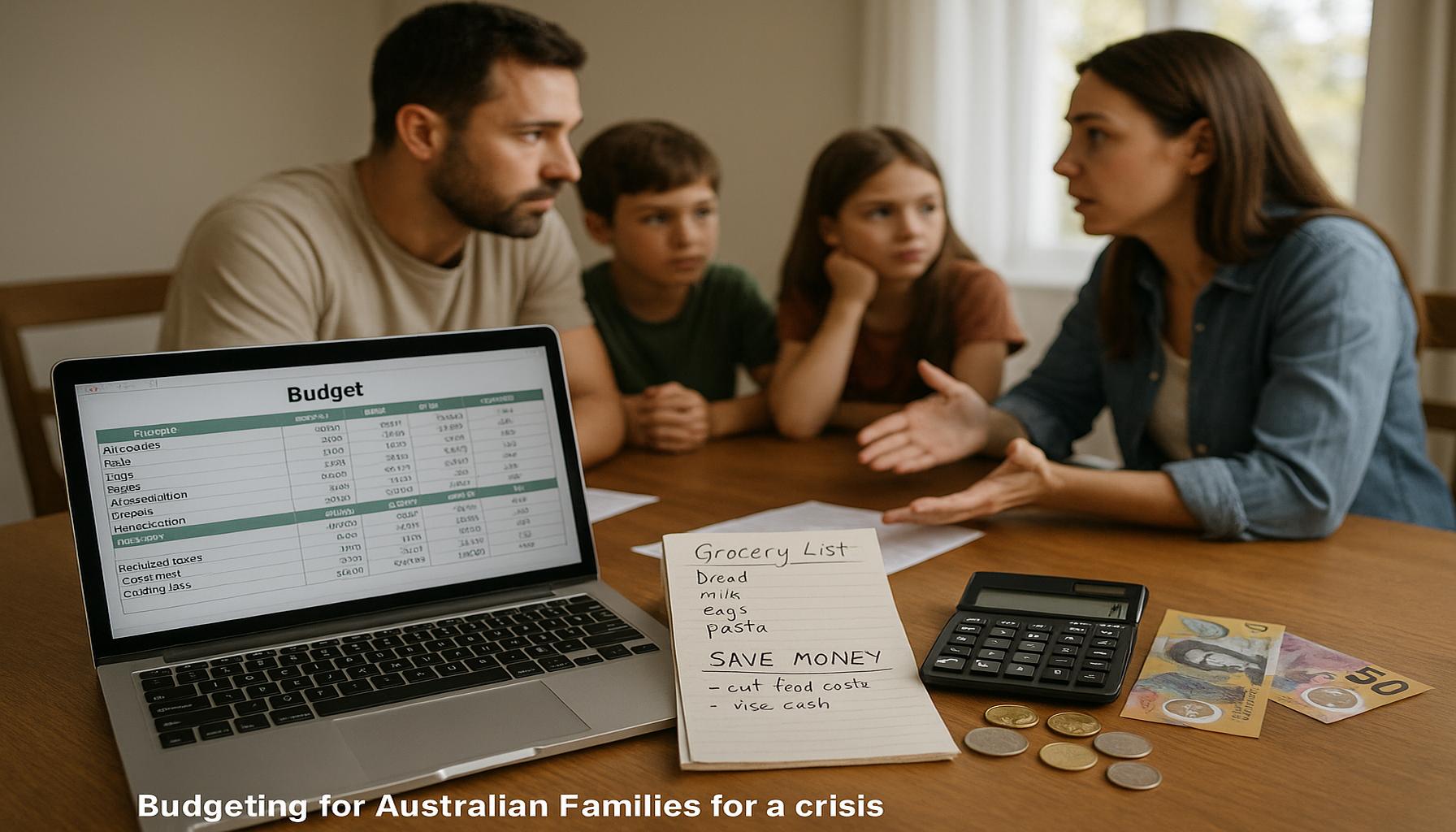
In today’s fast-paced world, where economic conditions can change on a dime, having a robust budgeting strategy is vital for Australian families. Effective budgeting isn’t just about tracking spending; it serves as a roadmap to financial stability, especially during challenging times. It empowers families to make informed decisions, prioritize essential needs, and establish a sense of control over their financial landscape.
Key Budgeting Strategies
To navigate the complexities of personal finance, consider the following essential strategies:
- Prioritise Needs Over Wants: In times of financial strain, it is crucial to distinguish between necessities and luxuries. For instance, ensure that basic needs such as housing, groceries, and healthcare are covered before indulging in non-essentials like dining out or subscriptions. This mindset helps in reallocating funds to where they matter most during tough periods.
- Create a Realistic Budget: The first step in budgeting is to gain a clear understanding of your financial situation. Start by listing all your sources of income, including salaries, government benefits, or any side hustles. Then, outline all expenses, categorizing them into fixed costs (like rent) and variable costs (like groceries). This comprehensive overview of your finances will shine a light on where adjustments can be made.
- Build an Emergency Fund: Life can throw unexpected expenses your way, from car repairs to medical emergencies. Aim to save a small portion of your income each week into a separate account designated for emergencies. Ideally, this fund should cover three to six months’ worth of expenses, providing a financial cushion that can ease stress during uncertain times.
- Review and Adjust: A budget is not a static document—it’s a living tool that should change as your financial situation does. Make it a habit to review your budget monthly. Check which aspects worked well and where you overspent. If you find particular categories consistently exceed your budget, consider areas where you can modify your spending.
The Benefits of Effective Budgeting
By applying these strategies, families can adopt a proactive approach toward their finances. With a strong budgeting framework, it becomes easier to adjust to shifting priorities, manage debts, and even plan for future goals, such as saving for a family holiday or a child’s education. Furthermore, improved budgeting reduces monthly stress, allowing you to focus on what truly matters: your family’s health and well-being.
In conclusion, effective budgeting is an invaluable skill that lays the foundation for long-term financial health. By prioritising needs, crafting a feasible budget, building a safety net, and remaining adaptable, you empower your household to thrive amid uncertainty. With patience and dedication, the path to financial security can be well within reach for every Australian family.
CHECK OUT: Click here to explore more
Essential Budgeting Techniques for Families
When Australian families face economic challenges, employing effective budgeting techniques can significantly enhance their resilience. The following techniques help families manage their finances wisely and ensure that they remain afloat during tough times.
Establish Clear Financial Goals
Setting specific and achievable financial goals is instrumental in shaping our budgeting approach. Begin by identifying short-term goals, such as paying off a credit card or saving for school fees, and long-term aspirations, like home ownership or retirement savings. Having a clear vision allows families to prioritise their spending and allocate resources more effectively. For instance, if a family wants to save for a reliable car, they might set aside a specific amount each month towards that goal, making budgeting a proactive rather than reactive process.
Utilise Budgeting Tools and Apps
In the digital era, budgeting tools and apps can greatly simplify the process of tracking finances. Numerous applications available for Australian users can facilitate expense tracking and budget creation. Popular options include Pocketbook, which connects to your bank accounts to categorise spending, and YNAB (You Need A Budget), which focuses on giving every dollar a job, ensuring that families are purposeful with their money. Exploring these tools can save time and enhance understanding of spending habits.
Implement the 50/30/20 Rule
One practical strategy for managing a budget is the 50/30/20 rule. This guideline suggests that families allocate their income into three categories:
- 50% for Needs: This includes essential expenses such as housing, utilities, groceries, and healthcare. These are non-negotiable items that must be prioritised.
- 30% for Wants: This category encompasses discretionary spending, such as entertainment, dining out, and hobbies. During crises, it may be wise to limit this expenditure to better manage finances.
- 20% for Savings and Debt Repayment: Focusing on saving or paying down debts will strengthen financial health. Even during tight times, aim to set aside a small amount for savings, as it fosters a sense of security.
By adhering to the 50/30/20 rule, families can create a balanced budget that allows them to meet their essential needs while also preparing for future financial stability.
Embrace Simplicity and Frugality
In crisis situations, returning to the basics often proves beneficial. Embracing simplicity means reviewing and adjusting your lifestyle to reduce unnecessary expenses. For example, consider cooking meals at home instead of going out to eat, or exploring local parks and free activities rather than expensive entertainment options. Simple changes can lead to a significant reduction in monthly expenses, providing families with more room to breathe financially.
Implementing these budgeting techniques equips Australian families with the tools needed to face economic challenges head-on. By establishing clear goals, utilising technology, following a practical spending guideline, and embracing frugality, families can navigate financial difficulties with confidence and resilience.
SEE ALSO: Click here to read another article
Flexible Strategies to Adjust and Cut Costs
During times of crisis, spending habits may need to be continuously reassessed. By being flexible and open to adjustments, Australian families can effectively manage their finances despite unforeseen challenges.
Evaluate and Adjust Subscription Services
In today’s world, many households are signed up for various subscription services ranging from streaming platforms to meal delivery kits. While these services can be enjoyable and convenient, they can also quickly become financial burdens during tough times. Regularly evaluating subscriptions and determining which ones provide genuine value is essential. Families should consider cancelling those that they use infrequently or finding less expensive alternatives. For instance, using library resources for movies and books instead of premium streaming services can help save money while still providing entertainment options.
Compare and Negotiate Bills
Many families may not realise that they have the power to negotiate their bills. Whether it’s electricity, internet, or insurance, comparing various providers can uncover potential savings. Additionally, reaching out to existing providers to request better rates or loyalty discounts can often yield positive results. If a family is facing financial difficulties, they can communicate their situation to the provider, which may lead to temporary relief through payment plans or reduced rates. Engaging in this strategy allows families to take proactive measures to reduce their regular expenses.
Implement a No-Spend Challenge
A No-Spend Challenge can be a fun and effective way for families to evaluate their spending patterns while fostering creativity in finding free or low-cost activities. Choose a predetermined period, such as a week or a month, where you avoid spending money on anything other than essential needs. Encourage family members to contribute ideas for activities that require minimal or no financial outlay, such as hiking, picnicking, or hosting a board game night at home. This approach can not only save money but also strengthen family bonds as everyone collaborates in finding enjoyable and budget-friendly alternatives.
Explore Government Assistance and Community Resources
In challenging times, families should not hesitate to seek help. Numerous Australian government programs and community resources exist to support those in financial hardship. Initiatives like the JobSeeker Payment or JobKeeper payment can provide crucial support for families who’ve been impacted by a loss of income. Additionally, local community centres often provide food banks, financial counselling, and other services that can alleviate financial pressures. Families should actively investigate these resources to better understand the help available to them.
Encourage an Open Dialogue About Finances
Creating an atmosphere where financial discussions are welcomed within the family can be incredibly beneficial. Encouraging transparency about money matters helps family members understand the importance of budgeting and financial decision-making. Regular family meetings to review financial goals, spending habits, and encourage input from younger members can instill positive financial behaviours. This open communication also helps to alleviate any anxiety around money as families work together to navigate challenging times.
By integrating these flexible strategies into their budgeting plans, Australian families can foster resilience and adaptability, ensuring they are better equipped to handle financial crises. Each small change made can have a substantial impact on overall financial wellbeing, allowing families to feel more secure during uncertain times.
CHECK OUT: Click here to explore more
Conclusion
In summary, navigating financial challenges during a crisis requires strategic thinking and adaptability. Australian families can greatly benefit from prioritising essential expenses while carefully reassessing their spending habits. For instance, it may be wise to focus on necessities such as food, housing, and healthcare, rather than discretionary items like dining out or entertainment. Implementing budgeting strategies such as evaluating subscriptions, negotiating bills, and engaging in no-spend challenges can make a significant difference in maintaining financial stability. For example, families may consider cancelling unused subscriptions, renegotiating mobile phone contracts, or committing to a month of no unnecessary purchases to help conserve cash.
Moreover, it is vital to actively explore government assistance and local community resources designed to support families facing economic hardships. The Centrelink support services provide a range of benefits and financial aid options, such as JobSeeker and Family Tax Benefits, which can ease the burden during difficult times. Additionally, many local councils offer community programs and food banks that provide immediate assistance to families in need. Accessing these resources can be a crucial lifeline in a challenging economic environment.
Furthermore, fostering an open dialogue about finances within the household can empower family members, instilling better spending habits and reducing anxiety related to money management. This open communication allows everyone to understand the family’s financial situation and contribute ideas for saving or budgeting. Regular family meetings to discuss finances, spending goals, and future planning can encourage a culture of financial awareness, leading to improved overall well-being.
Ultimately, the key to a successful budgeting strategy lies in several small, consistent adjustments that lead to substantial long-term benefits. Families that embrace flexibility, transparency, and collaboration can cultivate a sense of resilience, enabling them to weather any financial storm. By remaining proactive and solution-oriented, Australian families can emerge from challenging periods with stronger financial skills and a deeper understanding of their financial well-being. This proactive mindset not only prepares families for future uncertainties but also helps them build a more secure financial future.

Linda Carter is a writer and financial expert specializing in personal finance and financial planning. With extensive experience helping individuals achieve financial stability and make informed decisions, Linda shares her knowledge on the our platform. Her goal is to empower readers with practical advice and strategies for financial success.