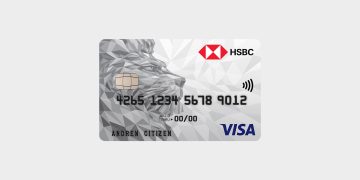
Apply for the HSBC Low Rate Credit Card Step-by-Step Guide
The HSBC Low Rate Credit Card offers attractive features, such as competitive low interest rates and no annual fee for the first year. Benefit from 0% balance transfers to manage existing debt, plus exclusive HSBC offers and discounts to enhance your dining, travel, and entertainment experiences.

How to Apply for the CommBank Ultimate Awards Credit Card Easily
The CommBank Ultimate Awards Credit Card offers valuable perks, including reward points on all purchases, complimentary international travel insurance, and no foreign transaction fees. Frequent travelers enjoy complimentary airport lounge access, while exclusive discounts enhance everyday spending and lifestyle experiences.

How Credit Card Reward Programs Are Changing Consumer Behavior in Australia
Credit card reward programs in Australia are transforming consumer behavior by influencing spending patterns and preferences. As consumers seek value through various rewards, they are becoming more strategic, prioritizing cash back, frequent flyer points, and experiential spending. This shift enhances financial literacy while reshaping the retail landscape and encouraging responsible financial decisions.

The impact of credit card interest rates on the Australian economy
High credit card interest rates are reshaping consumer behavior and economic dynamics in Australia. As rates rise, spending declines, leading to increased debt burdens and straining household finances. This shift not only affects individual financial health but also hampers broader economic growth, highlighting the need for informed financial strategies among consumers.

Strategies for Managing Credit Card Debt and Maintaining Good Financial Health
Effectively managing credit card debt is crucial for maintaining good financial health. Key strategies include creating a budget, prioritizing high-interest payments, and avoiding unnecessary charges. Additionally, developing healthy financial habits such as automating payments and building an emergency fund can lead to lasting financial stability and resilience.

Credit cards and travel: tips to maximize benefits when traveling in Australia
Traveling in Australia is enhanced by smart credit card use, offering rewards points, no foreign transaction fees, and travel insurance. By selecting the right card and utilizing rewards programs, travelers can save costs while enjoying a seamless journey filled with memorable experiences and financial benefits.

The importance of credit score in choosing a credit card in Australia
Understanding your credit score is vital when selecting a credit card in Australia, as it affects loan eligibility, interest rates, and credit limits. A higher score opens the door to better benefits and opportunities, making informed credit card choices crucial for both immediate financial health and long-term financial goals.

How to Choose the Ideal Credit Card for Your Financial Needs in Australia
Navigating the credit card landscape in Australia can be simplified by understanding your financial needs and key features like interest rates, rewards programs, and fees. By evaluating different credit card types and their associated costs, you can make informed choices that align with your spending habits and financial goals.

The benefits and disadvantages of using credit cards in everyday Australian life
Credit cards offer Australians convenience, rewards, and the ability to build a positive credit history. However, they also pose risks such as high-interest rates, potential debt accumulation, and associated fees. Understanding both benefits and disadvantages is essential for effective financial management and ensuring responsible credit card use in everyday life.
The 10 Best Travel Credit Cards for Australia in 2023
Discover the essential travel credit cards for Australians in 2023, designed to enhance your adventures with valuable rewards, no foreign transaction fees, and complimentary travel insurance. Choosing the right card can turn everyday spending into unforgettable travel experiences, bringing your dream destinations within reach.