How to Create an Effective Personal Budget for Life in Australia
The Importance of Creating a Personal Budget
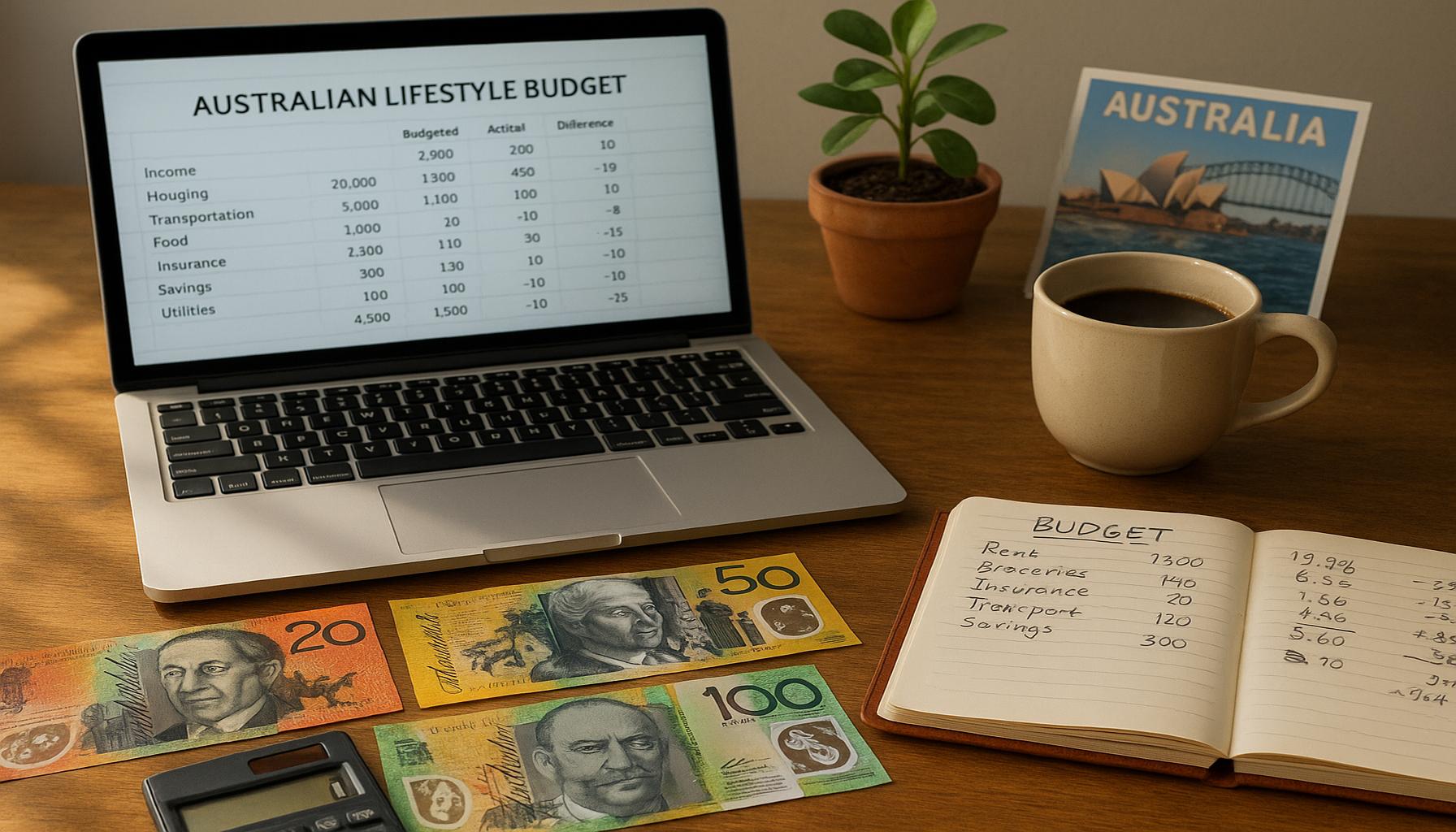
Establishing a personal budget is a vital first step toward attaining financial security and peace of mind. Having a clear grasp of your financial situation instills confidence, empowering you to make informed choices that can significantly enhance your quality of life. In Australia, this process becomes even more relevant when accounting for the diverse economic factors that influence costs across different states and cities.
Key Steps to Effective Budgeting
Effective budgeting can be broken down into several critical steps that guide you towards managing your finances wisely:
- Track Your Income: Begin by pinpointing how much money you receive each month from all sources, including your salary, any freelance income, government benefits, or investment returns. For instance, if you earn $5,000 a month and receive an additional $500 from a side business, your total income for budgeting purposes is $5,500.
- Identify Expenses: It is essential to compile a comprehensive list of all your expenses. These can be categorized into two primary groups: fixed expenses, such as rent or mortgage payments, which do not change month-to-month, and variable expenses, such as groceries, entertainment, or utility bills, which can fluctuate. For example, your monthly electricity bill may vary depending on the season, so track these costs for a more accurate budget.
- Set Financial Goals: Clearly defined financial goals provide direction for your budgeting efforts. Consider both short-term goals—like saving for a holiday or purchasing new furniture—and long-term goals, such as building an emergency fund or investing for retirement. This helps you prioritize your spending and savings effectively.
Understanding Cost of Living in Australia
Another crucial aspect of budgeting is being aware of the cost of living changes across different regions in Australia. For example, housing costs in Sydney can be exponentially higher than those in Adelaide or Hobart. Understanding these differences allows you to budget more realistically based on where you live. For instance, if you plan to move from Brisbane to Melbourne, it would be wise to research the average rental prices and adjust your budget accordingly.
Tools and Strategies for Budgeting
Creating a personal budget can be made easier with a variety of tools available today. Consider using budgeting apps like Pocketbook or YNAB (You Need A Budget), which are user-friendly and can help you track your spending habits and progress towards your financial goals. Establish regular budgeting sessions—perhaps every month—to review your income and expenses, allowing you to make adjustments as necessary. This organized approach not only helps you live within your means but also facilitates saving for future needs, be it for a new home, a dream vacation, or retirement.
With the right strategies and a proactive mindset, crafting a personal budget can be a straightforward and empowering exercise that lays the groundwork for lasting financial health and security. By following these steps, and tailoring your budget to reflect the unique economic landscape of Australia, you will be better positioned to achieve your financial aspirations.
CHECK OUT: Click here to explore more
Establishing Your Financial Baseline
Before diving into the specifics of budgeting, it’s essential to establish your financial baseline. This involves understanding not just your current income and expenses, but also determining your net worth. Your net worth is calculated by subtracting your liabilities (what you owe) from your assets (what you own). This provides a clearer picture of your overall financial health. Consider, for example, if you own a car worth $20,000 and have a loan of $5,000, your asset position would be strong, positively affecting your budgeting decisions.
Gathering Relevant Financial Data
To create a successful personal budget, the first step is to gather all relevant financial information. This includes:
- Bank Statements: Review at least the past three months to gather a comprehensive overview of your income and spending habits.
- Pay Slips: These documents provide clarity on your monthly income, including any deductions for taxes, superannuation, or other contributions.
- Invoices and Bills: Collect your regular bills, such as utilities, insurance, and any subscriptions you might have, which help illustrate your monthly fixed expenses.
By compiling this financial data, you create a solid foundation for understanding your economic landscape. It’s crucial to ensure that you are assessing both fixed and variable expenses accurately. For example, your fixed expenses, like rent or mortgage payments, remain steady, while variable expenses, such as dining out or entertainment, can vary. This distinction is significant as it influences how much flexibility you have in your budget.
Evaluating Lifestyle Choices
As you compile your financial data, it’s important to evaluate your lifestyle choices that affect your budget. Understanding where you can cut back or make adjustments is essential. Ask yourself the following questions:
- Are there subscriptions I can cancel? Consider the frequency of use for services like streaming platforms or gym memberships.
- How often do I dine out or order takeout? Assess how much of your budget is allocated to food outside of home-cooked meals and whether adjustments can be made.
- Do I have any impulsive spending habits? Recognize patterns in your shopping habits and consider strategies to manage impulse purchases, such as a 24-hour rule before buying non-essential items.
Evaluating lifestyle choices not only sheds light on where you might cut back but can also reveal spending habits that align with your values and goals. For instance, if travel is a priority, you might decide to allocate more of your budget towards savings for that experience while finding savings in other areas.
In summary, establishing a financial baseline through gathering relevant data and assessing lifestyle choices is a critical first step in creating an effective personal budget in Australia. By taking the time to understand these elements, you will be better prepared to craft a budget that works for you and aligns with your financial aspirations.
SEE ALSO: Click here to read another article
Determining Your Budgeting Method
With your financial baseline firmly established, the next step is to decide on a budgeting method that aligns with your lifestyle and financial goals. Several effective budgeting techniques can help you manage your finances, each offering unique advantages to suit different preferences. Here’s a closer look at some popular budgeting approaches you might consider:
The Zero-Based Budget
The zero-based budget is an approach where every dollar of your income is allocated to specific expenses, savings, or debt payments until your budget equals zero. This method encourages accountability as you track every dollar you spend. For instance, if you earn $5,000 a month, every dollar must be assigned a purpose, whether that’s $1,500 for rent, $300 for groceries, or $250 for fun activities. This approach helps you identify and eliminate unnecessary expenses while ensuring that you prioritize savings and debt repayment.
The 50/30/20 Rule
Another popular strategy is the 50/30/20 rule which divides your after-tax income into three main categories. According to this method:
- 50% of your income should go towards needs, such as housing, utilities, groceries, and healthcare.
- 30% of your income can be allocated to wants, including entertainment, dining out, and hobbies.
- 20% of your income should be set aside for savings and debt repayment.
This method offers a balanced approach, allowing for enjoyment while also ensuring you’re saving money for the future. It is particularly useful for those who want a more straightforward, less time-consuming budgeting process.
Envelope System
The envelope system is a more traditional approach that involves allocating cash to specific spending categories. You withdraw your budgeted amounts for various categories and place them in separate envelopes. For instance, you may have one envelope labeled ‘Groceries’ filled with $300 and another labeled ‘Entertainment’ with $200. Once the cash is gone from an envelope, you cannot spend any more in that category for the month. This technique works well for people who find it easier to manage physical cash rather than digital transactions.
Utilising Budgeting Apps
In today’s digital age, numerous budgeting apps available in Australia can simplify your budgeting process. Applications like YNAB (You Need A Budget), Pocketbook, and MoneyBrilliant allow you to track your spending, set savings goals, and even connect to your bank accounts for real-time updates. These tools provide insights into your spending patterns, making them a valuable resource for anyone looking to take control of their finances.
Adaptability and Reviews
Regardless of the budgeting method you choose, adaptability is key. Your financial situation and goals may change over time, so it’s important to review and adjust your budget regularly. Ideally, you should revisit your budget each month to evaluate your progress, assess any changes in income or expenses, and make necessary adjustments. By doing this, you ensure that your budget remains relevant and effective as your life circumstances evolve.
In sum, selecting a budgeting method that matches your style and financial objectives is a vital part of budgeting effectively in Australia. By understanding the various strategies available, you can find the one that helps you stay organized and achieve your financial goals with confidence.
SEE ALSO: Click here to read another article
Conclusion
Creating an effective personal budget is more than just a financial task; it’s a roadmap to help you achieve your life goals while living comfortably in Australia. By understanding your current financial situation, identifying your income and expenses, and choosing a budgeting method that resonates with your lifestyle, you will set yourself up for success. Whether you prefer the meticulous approach of a zero-based budget, the simplicity of the 50/30/20 rule, the tactile envelope system, or the convenience of budgeting apps, each method offers unique benefits to suit your needs.
It’s crucial to remember that flexibility is essential in budgeting. Your financial circumstances may change due to various factors such as shifts in income, unexpected expenses, or personal aspirations. Hence, regularly reviewing your budget will allow you to adapt and ensure that it remains aligned with your goals. Setting aside time for monthly evaluations can reveal valuable insights into your spending habits and highlight areas where you may need to cut back or invest more.
Ultimately, creating a personal budget is an empowering step towards financial independence and security. With discipline and commitment, you can make informed choices that lead to a more sustainable financial future. Embrace the process, and remember that the objective is not just to restrict your spending but to enhance your financial literacy and enhance your overall quality of life in Australia.

Linda Carter is a writer and financial expert specializing in personal finance and financial planning. With extensive experience helping individuals achieve financial stability and make informed decisions, Linda shares her knowledge on the our platform. Her goal is to empower readers with practical advice and strategies for financial success.